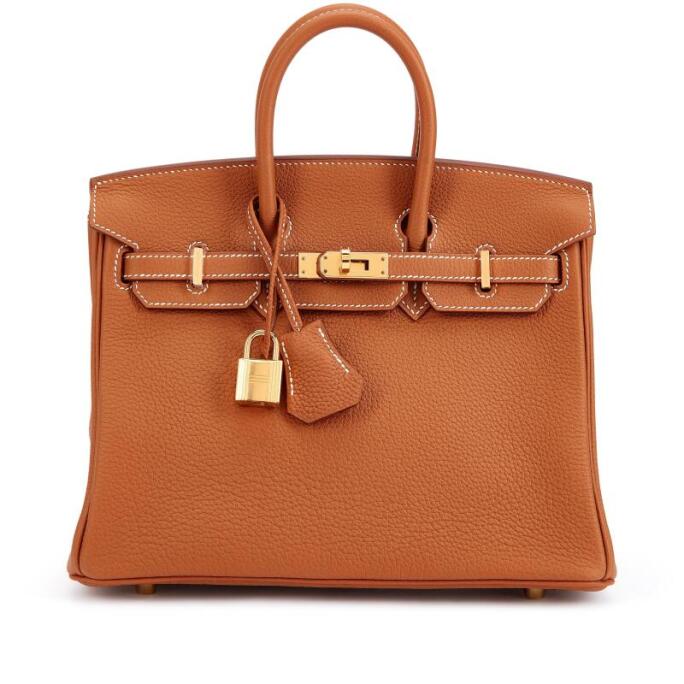
Everything You Need to Know About the Hermès Birkin
Explore the rich history of the iconic Hermès Birkin bag and what to look for when buying your first—or next—Birkin.

The Hermès Birkin has traveled a remarkable distance from its origins as a practical carryall. Introduced in 1984 and named for actress and singer Jane Birkin, it has become one of the most recognizable and sought-after handbags in the world. Its distinctive silhouette has remained remarkably consistent, defined by two rolled handles, a flap closure, sangles, a turn-lock and protective clou feet. Sotheby’s has sold over $100 million in Birkins since 2021, reflecting the extraordinary scale of demand for the bag in the secondary market.
Part of the Birkin's significance lies in the extraordinary range that exists within a single design. Birkins are produced in multiple sizes, from the compact Birkin 25 to the spacious Birkin 40, as well as rarer formats such as the Birkin 20 and Micro Birkin 15. Collectors can also choose among numerous Hermès leathers, colors, exotic skins and hardware combinations, while Special Orders and limited editions introduce even greater variation.
These differences can have a significant effect on desirability and price in the secondary market. Size, color, material, condition and rarity all matter, while exceptional limited editions and exotic Birkins can command substantial premiums over more widely available examples. Understanding these distinctions is essential for anyone considering a first Birkin or building a more advanced Hermès collection.
| Sales Highlight | Sotheby’s has sold over $100M USD in Birkin bags since 2021, reflecting significant global demand in the secondary market. |
| Origins | The Birkin was introduced in 1984 after a chance meeting between Jane Birkin and Hermès executive Jean-Louis Dumas inspired its design. |
| Design | The signature design features two rolled handles, a flap closure, sangles, a turn-lock and clou feet, with a silhouette that has changed little since its introduction. |
| Craftsmanship | Each Birkin is made by a single Hermès artisan, reflecting the Maison's longstanding leatherworking traditions. |
| Sizes | Core sizes include the Birkin 25, 30, 35 and 40, alongside rarer versions such as the Birkin 20 and Micro Birkin 15. |
| Materials | Popular leathers include Togo, Epsom, Clemence and Box, while select Birkins are made from crocodile, alligator, ostrich and lizard. |
| Collector Variations | Sellier construction, Special Orders and limited editions such as the Faubourg, So Black and Metallic offer distinctive alternatives to classic Birkins. |
| Pricing | A Birkin 25 in Togo leather retails around $13,500, while secondary-market prices can reach $30,000, with rare limited editions and exotic examples selling for considerably more. |
| Secondary Market | Size, color, material, condition and rarity can all influence Birkin prices and collector demand. |
The story of the Hermès Birkin began in 1984 with a chance encounter between actress and singer Jane Birkin and Hermès executive Jean-Louis Dumas on a flight from Paris to London. During the journey, Birkin spoke about her difficulty finding a bag that was both practical and stylish enough for everyday life. Their conversation inspired Dumas to create a spacious leather bag that would eventually bear her name.
Jane Birkin's original bag established many of the characteristics that still define the Birkin today. Made in black leather with gold-tone hardware, it was approximately the width of a modern Birkin 35 but had the greater depth associated with a Birkin 40. Birkin famously used the bag as intended, filling it with personal belongings and decorating it with stickers and charms rather than treating it as a pristine luxury object.
Since its introduction, the Birkin has expanded far beyond its original black leather form while retaining its recognizable design. Hermès has produced the bag in different sizes, leathers, colors and exotic skins, alongside Special Orders and limited editions that have become particularly sought after by collectors. The Original Birkin itself has also become an important piece of fashion history, reinforcing the connection between the woman who inspired the bag and one of Hermès' most recognizable designs.
The Birkin's design has changed remarkably little since its introduction in 1984. Its defining features include two rolled top handles, a structured base with protective clou feet, a flap closure and two leather sangles that fasten around a central turn-lock. A padlock and keys housed in a leather clochette complete the exterior, while the interior traditionally features a single open compartment with pockets. Together, these details give the Birkin its immediately recognizable balance of function and refinement.
Craftsmanship is equally central to the Birkin. Rather than moving through an assembly line, each bag is constructed and assembled by a single Hermès artisan using traditional leatherworking techniques. The original article notes that a Birkin requires a minimum of 18 hours to make, and each bag carries a craftsman's stamp that can provide information about when and where it was produced. While the basic construction remains consistent, the character of a finished Birkin can change considerably depending on its size, leather and whether it is made in the softer Retourne or more structured Sellier construction.
Hermès Birkin sizes are named for the approximate length of the bag across its base in centimeters. The four core sizes are the Birkin 25, Birkin 30, Birkin 35 and Birkin 40, although Hermès has also produced smaller, rarer formats and variations on the classic silhouette. While the Birkin 35 and 40 reflect the larger proportions historically associated with the design, the Birkin 25 and 30 have become especially popular with collectors seeking more compact bags.
The Birkin 25 is the smallest of the four standard sizes, followed by the versatile Birkin 30. The Birkin 35 offers considerably more capacity and proportions closer to Jane Birkin's original bag, while the Birkin 40 is the largest standard size and works particularly well as a substantial day or travel bag. Beyond these core sizes, collectors may encounter the Birkin 20, most famously associated with the limited-edition Faubourg Birkin, and the exceptionally rare Micro Birkin 15, produced in 2011 and 2012 during Jean-Paul Gaultier's tenure at Hermès.
Another important variation is the Shoulder Birkin, also known as the JPG Birkin. Introduced in 2004 under Jean-Paul Gaultier, its wider proportions and elongated handles distinguish it from the classic Birkin and allow it to be carried over the shoulder. Originally produced in 40 and 42 centimeter versions before being discontinued in 2013, the Shoulder Birkin returned in 2024, bringing one of the more unconventional Birkin silhouettes back into the Hermès collection.
The leather used to make a Birkin has a major influence on its appearance, structure, weight and how it changes with wear. Hermès has produced Birkins in numerous leathers since 1984, but Togo, Clemence, Epsom and Box are among the most recognizable. Some develop a softer, more relaxed appearance over time, while others retain a sharper and more structured silhouette.
Togo leather is one of the most popular choices for a classic Birkin. Introduced in 1997, this calfskin has a soft, matte finish with an irregular pebbled grain and characteristic veins and wrinkles. It is relatively resistant to scratches and becomes softer and more supple with use, making it particularly well suited to collectors who intend to carry their Birkin regularly. Clemence, made from bull calf, has a flatter grain and an even softer, heavier feel. Its tendency to relax with age can give a Birkin a more casual silhouette.
At the more structured end of the spectrum, Epsom leather has an embossed grain that helps a Birkin retain its shape and makes the surface relatively easy to care for. Box calf, by contrast, is one of Hermès' heritage leathers and was used for some of the earliest Birkins. Its smooth, glossy surface can show scratches and watermarks more readily than grained leathers, but it can develop a distinctive patina with age. Other Birkin leathers collectors may encounter include Evercolor, Fjord and Barenia Faubourg, each of which gives the same basic design a noticeably different texture and character.
For collectors choosing between Birkin leathers, there is no single material that is universally "best." Togo is often favored for its combination of durability and suppleness, Epsom for its structured appearance, Clemence for its softness and Box for its classic finish and ability to develop character over time. Leather should therefore be considered alongside size, color, construction and how the bag will ultimately be used.
Color is one of the most important distinctions between Hermès Birkins and can have a meaningful effect on collector demand and secondary-market pricing. Hermès has produced the Birkin in an extensive palette, ranging from classic neutrals to vivid pinks, blues, greens and reds. Even similar shades can develop dedicated followings, making the exact Hermès color an important part of identifying and evaluating a bag.
Classic neutrals such as Black, Gold and Étoupe remain among the most recognizable Birkin colors and tend to attract consistent demand. Lighter neutrals, pastels and highly sought-after seasonal shades can also command strong prices, while certain colors become particularly desirable when paired with a specific leather, size or hardware. Recent Sotheby's secondary-market sales have shown that color alone does not determine Birkin value: size, leather, condition, age and rarity all contribute to the price collectors are willing to pay.
Collectors should also consider how a particular leather affects a color. The same Hermès shade can appear noticeably different in Togo, Epsom, Swift or an exotic skin because of variations in grain, texture and finish. This combination of color and material is part of what creates such a wide range of Birkins despite the consistency of the underlying design.
Hardware is another detail that can noticeably change the character of a Hermès Birkin. The most common options are gold-plated and palladium-plated hardware, which appear on the turn-lock, sangles, padlock, keys, zipper and protective clou feet. Gold hardware gives a Birkin a warmer, more traditional appearance, while palladium offers a cooler, silvery finish. The pairing of hardware with a particular leather and color can also influence collector preference.
Hermès has produced Birkins with a number of less common hardware finishes, including rose gold, permabrass, brushed palladium, brushed gold, ruthenium and matte black hardware. At the highest end of the category are Diamond Birkins, which combine exotic skins with diamond-set precious-metal hardware. These exceptionally rare bags occupy a distinct position in the secondary market and have been responsible for some of the highest Birkin prices achieved at auction.
Hermès produces Birkins in several exotic skins, most notably crocodile, alligator, ostrich and lizard. These bags are much rarer than leather Birkins and generally command substantially higher prices at retail and on the secondary market. Hermès uses both Niloticus and Porosus crocodile, identified by two dots (••) and a caret (^) respectively, while alligator is identified by a square symbol. Lizard Birkins are generally found in smaller sizes, while ostrich is recognizable by its distinctive follicles and does not carry a special symbol beside the Hermès stamp.
The Himalaya Birkin is the most famous and sought-after exotic Birkin. Crafted from Niloticus crocodile, its distinctive finish transitions from darker gray at the edges to a pale center, an effect intended to evoke the snow-capped Himalayan mountains. Himalaya Birkins are exceptionally rare, and examples with 18-karat white gold and diamond hardware rank among the most valuable Hermès bags on the secondary market.
For collectors, the exact exotic skin is only one factor in determining desirability. Color, size, condition, finish and hardware can create significant differences in price, while exceptional combinations such as the Himalaya and Diamond Birkins occupy the highest tier of Birkin collecting.
The primary difference between a Birkin Sellier and Retourne is the construction. The classic Retourne Birkin is stitched from the inside and turned out, creating rounded edges and a softer, more relaxed silhouette. A Birkin Sellier has visible exterior stitching and sharper edges, giving the bag a more structured, architectural appearance.
Hermès first introduced the Birkin Sellier as a limited-edition style in 2010 before reintroducing it in 2020. While the underlying Birkin design remains the same, the more rigid construction allows the Sellier to hold its shape differently from a traditional Retourne Birkin. Sellier Birkins are also produced in more limited quantities and can command a premium in the secondary market, although desirability and price ultimately depend on the bag's size, leather, color and condition.
A Hermès Special Order Birkin, often called an HSS Birkin, is a customized bag created through Hermès' Special Order program for select clients. These bags are distinguished by a horseshoe stamp beside the Hermès logo, which is why collectors also refer to them as Horseshoe Stamp or HSS Birkins. Depending on the options available at the time of ordering, clients may select elements such as leather, color, hardware and stitching, including combinations not typically found in standard-production Birkins.
HSS Birkins are particularly recognizable when they combine two contrasting colors, whether across the exterior or between the exterior and interior. Most Special Orders are produced in leather, including Togo, Epsom, Clemence, Swift and Chèvre, while exotic HSS Birkins are considerably rarer. Because of their limited availability and unusual combinations, desirable Special Order Birkins can command premiums in the secondary market, particularly when the color, size and material are sought after by collectors.
Hermès has repeatedly reinterpreted the Birkin through limited editions that experiment with materials, construction and the bag's familiar design codes. Among the most sought-after are the Metallic Birkins from 2005, Jean-Paul Gaultier's So Black and Shadow Birkins, as well as more recent designs such as the Picnic Birkin and Cargo Birkin. Limited production, distinctive materials and recognizable designs can make certain editions particularly desirable on the secondary market.
The Faubourg Birkin has become one of the most recognizable modern limited editions. Designed as a miniature homage to the Hermès flagship at 24 Rue du Faubourg Saint-Honoré in Paris, the Birkin 20 features architectural details including storefront windows, awnings and an alligator flap. Different versions of the Faubourg have since been produced, making the collection an important category within contemporary Birkin collecting.
Limited-edition status alone does not determine value. Collectors also consider the specific edition, production period, color, material, size and condition, and the strongest examples can command substantial premiums over standard-production Birkins.
For collectors, choosing a Birkin ultimately comes down to the combination of size, leather, color, condition and rarity. In 2026, U.S. retail prices are approximately $13,500 for a Birkin 25, $14,900 for a Birkin 30 and $16,300 for a Birkin 35. Secondary-market prices can differ considerably depending on the individual bag. In 2025, the average Birkin 30 sold at Sotheby’s for approximately $22,300.
Classic leather Birkins offer a different entry point from Special Orders, limited editions and exotic examples, while particularly rare combinations, Himalaya Birkins and Diamond Birkins can command significantly higher prices. Size and practicality also matter, as do the structure and character created by different leathers and construction methods.
More than four decades after its introduction, the Birkin continues to evolve without losing the design that made it recognizable in the first place. From choosing between a Birkin 25 and 35 to considering Togo versus Epsom or a classic leather bag versus a rare limited edition, understanding these distinctions can help collectors identify the right Birkin for their priorities. Sotheby’s has sold over $100 million in Birkin bags since 2021, reflecting the extraordinary depth of demand for the bag in the secondary market.
In 2026, U.S. retail prices are approximately $13,500 for a Birkin 25, $14,900 for a Birkin 30 and $16,300 for a Birkin 35. Secondary-market prices vary considerably depending on size, leather, color, condition and rarity.
Birkin prices reflect Hermès' craftsmanship, high-quality materials, limited production and strong global demand. Each bag is constructed by a single artisan, while rare colors, exotic skins, Special Orders and limited editions can command substantially higher prices.
The Birkin 25 and Birkin 30 are among the most sought-after sizes today. Their smaller proportions make them particularly versatile, while larger Birkin 35 and 40 bags retain the more spacious character of the original design.
There is no single rarest Birkin, but Himalaya Birkins, Diamond Birkins, rare limited editions and unusual Special Orders rank among the most difficult examples to acquire. The Micro Birkin 15 is also exceptionally rare because it was produced only in 2011 and 2012.
Collectors should consider size, leather, color, condition, construction and rarity, as each can influence both desirability and secondary-market price. For rare Birkins, the specific edition, material and hardware combination can become particularly important.
Whether you're a seasoned collector or new to the world of Hermès bags, Sotheby’s offers a trusted, seamless way to buy and sell Hermès Birkin bags on the secondary market.
Trust Sotheby's worldwide network of leading handbag specialists from a globally renowned auction house established in 1744.