

Contemporary art may draw crowds at the Venice Biennale, but some of the greatest treasures of this most serene republic belong to history. Giovanni Cellerino, General Manager of The Gritti Palace, a Luxury Collection Hotel, presents his insider guide to the magical city beyond the central exhibition and national pavilions.
Church and Scuola Grande di San Rocco

Dating to 1489 and rebuilt in the 18th century, this Roman Catholic church was one of Venice’s plague churches, named and dedicated to Saint Roch, a patron saint of the city and a powerful protector against pestilence. Inside are four paintings by Jacopo Tintoretto, with an additional 50 housed in the adjacent Scuola Grande di San Rocco, a confraternity founded in the 15th century to aid citizens in times of plague. Not to be missed is Tintoretto’s Crucifixion masterpiece (1565) — a monumental and densely populated panorama of Golgotha, whose restoration was completed in 2025 by Save Venice.
Open daily
Church €3.50; Scuola €12; Combined €14
San Polo, 3052
30125, Venice
+39 041 523 4864
Scuolagrandesanrocco.org
L’Orto Giardino del Redentore

Tucked behind Andrea Palladio’s Church of the Santissimo Redentore, the Convent Garden of the Church of the Most Holy Redeemer on the island of Giudecca stretches from the Giudecca Canal to the Venetian Lagoon, exuding an aura of monastic tranquility. Devastated by tides and inaccessible for 500 years, this ancient site underwent restoration and is now preserved by the Venice Gardens Foundation, which opened the space to the public for the first time in 2024. Vegetable garden plots, aromatic herb beds, and olive and fruit trees — testaments to biodiversity and sustainability — lead to ancient workshops meticulously conserved and repurposed as exhibition venues. A buzzing apiary, laboratory, meditation chapel, pergola and greenhouse complete the grounds. Visitors may enjoy seasonal dishes sourced from the garden’s own harvest both at the lagoon-front café, and at The Gritti Palace’s Club del Doge Restaurant with its tasting menu “From our Vegetable Gardens to the Table.”
Open Wednesday to Saturday, with hours varying each month
€12
Giudecca, 194
30133, Venice
+39 041 312 1700
Venicegardensfoundation.org
Rubelli Showroom and Historical Archives

Founded in 1889, Rubelli is one of Venice’s most legendary luxury fabric houses. Using handmade traditional techniques alongside cutting-edge technology, the family firm produces a standout range of damasks, velvets, brocades, silks and lampas whose high quality has made them the preferred choice for historical buildings, museums and theatres in Venice and throughout the world. Visitors can explore the brand’s showroom and historic archives in its 15th-century palazzo, once the home of the founder. Here, a rich collection of more than 50,000 textile artifacts ranges from fabric samples and trimmings to antique textiles, in addition to more than 1,000 patterns and preparatory drawings, archival materials and a vast library.
Appointment required
Open Wednesday to Friday
€10
Ca’ Pisani Rubelli, San Marco, 3395
30124, Venice
museo@rubelli.com
Fondazionerubelli.com
Squero di San Trovaso

The sleek gondolas are among the most emblematic and unforgettable aspects of the floating city, and the artisans at this “squero,” or traditional boatyard, keep them in working order. Dating back to the 1600s, the Squero di San Trovaso is one of the oldest and most famous in the city and one of the few remaining active “squeri” where traditional Venetian vessels are built and repaired. The wooden cabin complex is located next to the Church of San Trovaso, and though closed to the public, it can be toured with a guide for a one-of-a-kind encounter with historic craftsmanship.
Appointment required
Fondamenta Bonlini, Dorsoduro, 1097
30123, Venice
info@squerosantrovaso.com
Squerosantrovaso.com
Le Fórcole – Saverio Pastor’s workshop
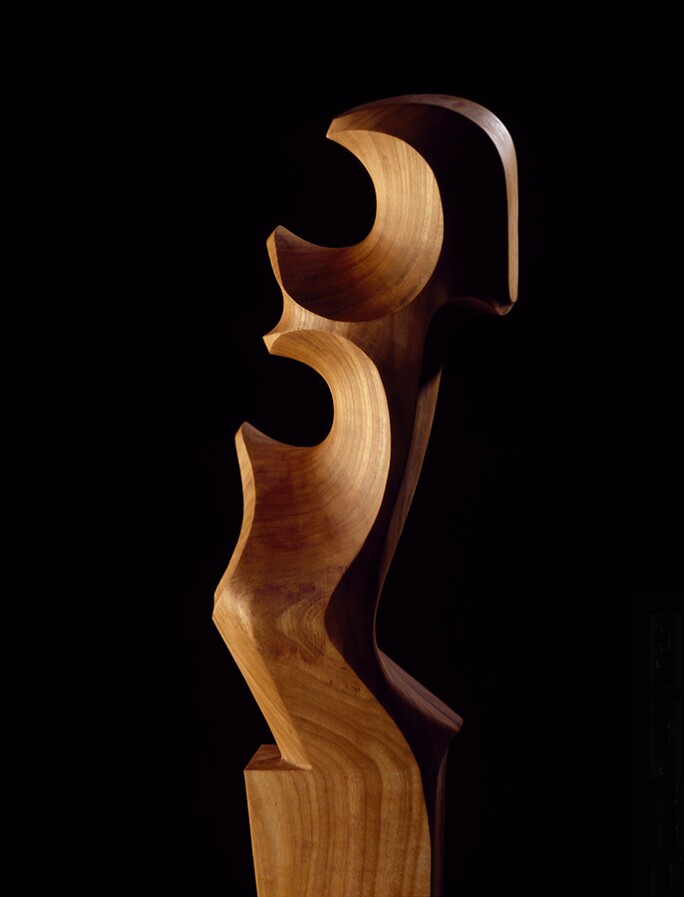
A Venetian native, Saverio Pastor is the oldest “remèr” in Venice and one of the very few who remain. He creates traditional oars and “fórcole,” the elegantly curved oarlocks essential to gondolas and other Venetian boats, in addition to more experimental forms whose flowing organic shapes constitute “objets d’art” in themselves. Pastor’s workshop, near the Basilica Santa Maria della Salute and the Peggy Guggenheim Collection, marries this noble craft with contemporary design, keeping alive a tradition deeply rooted in Venetian history and culture.
Appointment required
Open Monday to Friday and some Saturdays
Fondamenta Soranzo, Dorsoduro, 341
30123, Venice
+39 041 522 5699
info@forcole.com
Forcole.com/eng-contact.html
Oratorio dei Crociferi

The Oratorio dei Crociferi is a splendid example of Venetian architecture and a chapel-turned-museum famed for a rare distinction: every painting inside was created by a single artist, unique for 16th-century Venice. A rich cycle of eight works by the Venetian master Jacopo Palma Il Giovane, created between 1583 and 1592, decorates the ceiling and walls. The unassuming building with a Gothic facade was once an integral part of the Renier Zen hospice, a medieval building founded in the 12th century by the Crociferi Fathers to provide care for the sick and offer rest to pilgrims and crusaders. The paintings depict the history of this religious order, and following the flood of 1966, the series underwent nearly 20 years of careful restoration before returning to view.
Appointment required
€40 + €3 per person
Campo dei Gesuiti, Canareggio, 4904
30121, Venice
+39 041 309 6605
Gioiellinascostidivenezia.it
Scuola di San Giorgio degli Schiavoni

Founded in 1451 by the Dalmatian community residing in Venice, this lay confraternity preserves Vittore Carpaccio’s original narrative cycle from 1501–12, which depicts scenes from the lives of Saints George, Jerome and Tryphon. Long admired by scholars and the public alike, Carpaccio’s scenes rank among the most famous masterpieces of Italian Renaissance painting — though the total number of paintings originally created for the site is unknown. Save Venice began conservation of Carpaccio’s ten canvases in 2019 and as of July 2025, seven of these masterpieces had been restored to their full brilliance, including the “Vision of Saint Augustine,” “Saint George and the Dragon” and “The Triumph of Saint George.”
Closed Tuesdays
Castello, 3259/a
30122, Venice
+39 041 522 8828
Scuoladalmatavenezia.com
Basilica di Santa Maria Gloriosa dei Frari


Founded in the 13th century, Venice’s largest church is famed for its unmissable collections of artworks by masters like Titian, Donatello and Giovanni Bellini. Save Venice has been supporting conservation efforts here for decades, the most notable being Titian’s “Assumption of the Virgin” (1516–18), one of the most recognizable paintings of the Italian Renaissance. This triumphant ascension scene of the Virgin Mary, known as the “Assunta,” is the world’s largest painting on wood panel and was unveiled to the public in 2022 after a four-year restoration campaign. Other highlights include Titian’s “Madonna di Ca’ Pesaro” altarpiece (1519–26) and Donatello’s sculpture “Saint John the Baptist” (1438). Pre-conservation studies are currently underway on Giovanni Bellini’s beloved “Frari Triptych” (1488) in the sacristy, which art critic John Ruskin praised as one of “the best pictures in the world.”
Open daily with varying hours
€5
Campo dei Frari, San Polo, 3702
30125, Venice
+39 041 272 8630
Basilicadeifrari.it/orari-delle-visite
Lio Piccolo

Not far from the city of Treporti, Lio Piccolo in the northern Venetian Lagoon is an oasis of tiny islets whose salt marshes, mirror‑still waters and ancient farmhouses are famed for their natural beauty. This popular cycling destination is the perfect setting for a day trip, with bicycle rentals readily available and a single, scenic path offering splendid views of Venice. It is best experienced at sunset, though the natural vegetation presents breathtaking panoramas at any time. Expanses of undisturbed habitat are home to many bird species, including pink flamingos, and informational plaques installed en route aid birdwatchers. Discover the small village and dine at Al Notturno, a traditional restaurant, or at the farmhouses Le Saline and Le Manciane. The Gritti Palace hotel offers the option to explore Lio Piccolo by boat on one of the Riva Yacht Experiences.
Via di Lio Piccolo
30013, Cavallino-Treporti
Liopiccolo.com
The Submerged Crypt of San Zaccaria


Hidden beneath the elegant 15th-century Church of San Zaccaria, a flooded crypt, believed to have been built between the 10th and 11th centuries, transports visitors to medieval Venice. Few crypts in the city can still be visited, and though this site is underwater for the greater part of the year, a raised walkway offers visitors access. In this Romanesque space, the vaulted ceiling and submerged columns frame an altar and sculpture of the Virgin Mary, plus the tombs of Venice’s eight early doges. Above, in the main church, Giovanni Bellini’s “Virgin and Child with Four Saints” altarpiece (1505) — once looted by Napoleon — is an undisputed highlight, while in the San Tarasio chapel, stop by the beautiful ceiling frescoes of prophets by Andrea del Castagno and the stunning late-gothic polyptych of the Virgin (1440–43) by Antonio Vivarini and Giovanni d’Alemagna.
Open daily with varying hours
€1
Campo San Zaccaria, Castello 4693
30122, Venice
Fortuny Museum and Showroom

Palazzo Fortuny carries the unmistakable imprint of Mariano Fortuny, the Spanish‑born polymath who made Venice his creative sanctuary in the early 1900s. In these luxuriously appointed rooms — once his studio and laboratory — the museum displays art, antiques and decor from Fortuny’s highly personal and idiosyncratic collection, including a trompe l’oeil wall cycle of an enchanted garden, more than 150 paintings ranging from nudes and self-portraits to copies after Old Masters, and his famed costumes for plays like “Othello.” On the second floor, Fortuny’s ateliers showcase his skills in engraving, fabric printings, photography and theatrical lighting, alongside his private library — a “Wunderkammer” filled with precious objects, curiosities and rare books.
Across the water on the Giudecca, the showroom and factory of Fortuny fabrics celebrate the legacy of the Italian textile company founded in 1922. A former convent transformed into a working factory, it still houses the original machines, though the factory floor itself is not visible, to safeguard time-honored techniques. A visit to the stunning new showroom, private garden — one of the largest in Venice — and villa is a delightful interlude during an exploration of the Giudecca.
Fortuny Museum
Closed on Tuesdays
€15
San Marco 3958
30124, Venice
fortuny.visitmuve.it
Fortuny Showroom
Open daily, appointment required
Fondamenta San Biagio, 805
30133, Venice
Fortuny.com
Tessitura Luigi Bevilacqua Showroom and Workshop

Founded in 1875 by Luigi Bevilacqua, Tessitura Luigi Bevilacqua produces expertly crafted luxury fabrics, working in a tradition that was vital to Venice for centuries. The family-run factory uses 18th-century looms once belonging to Serenissima’s Silk School, combining historical techniques and designs with modern elements to create its damask, silk and velvet textiles — including its prized “soprarizzo” velvet. Visitors can experience these precious fabrics — used by fashion houses and royal palaces alike — in its showroom, or schedule an appointment to see the weaving workshop and discover Venetian craftsmanship firsthand.
Appointment required
Santa Croce, 1320
30135, Venice
+39 041 721 566
Luiigi-bevilacqua.com
Isola di San Michele

The Island of San Michele has served as Venice’s serene cemetery island since the early 19th century, when burials were outlawed in the city limits. The tranquil setting with high brick walls and cypress-lined paths houses the burial places of a few cultural figures, including Igor Stravinsky, Sergey Diaghilev and Ezra Pound. The Church of San Michele, dating to the 10th century and from which the island takes its name, was rebuilt in the 15th century by Mauro Codussi, making it Venice’s first church in the Renaissance style. Between 1998 and 2017, David Chipperfield Architects expanded the cemetery with a series of contemplative, basalt-clad courtyards. Today, the island remains an active burial site, and visitors are encouraged to dress modestly and be mindful that local visitors may be in mourning.
Cemetery hours vary seasonally
Appointment required for the Church of San Michele, Isola di San Michele
30121, Venice
+39 041 527 4106
Sanmicheleinisola.weebly.com
San Francesco del Deserto

This magnificent little island, located in the northern Venetian Lagoon between the islands of Burano and Sant’Erasmo, has been known since Roman times. In 1220, Saint Francis of Assisi is said to have stopped here on his return from the Holy Land, pausing to pray and reflect. Donated to the Franciscan Order in 1233, the island has been home to a small community of friars almost continuously. Today, a perimeter of tall cypress trees, meticulous gardens and sweeping views of the lagoon lend the island an atmosphere of extraordinary tranquility. Visits to the church, the cloister and part of the garden are led by the friars themselves, by voluntary donation.
Closed Mondays
Guided tour only; group reservations required
Isola di San Francesco del Deserto
30100, Venice
+39 041 528 6863
veneziadeserto@fratiminori.it
Sanfrancescodeldeserto.it


