The Iconic, Timeless Elegance of the Hermès Scarf
Explore the legacy and style behind the Hermès scarf, a fashion icon known for craftsmanship, history, and timeless Parisian charm.

Founded in 1837 by Thierry Hermès as a harness workshop in Paris, Hermès quickly became synonymous with artisanal excellence and refined elegance. Originally catering to elite equestrian clientele, the brand evolved over the following century into one of the most revered names in global luxury, known for its exceptional craftsmanship and attention to detail.
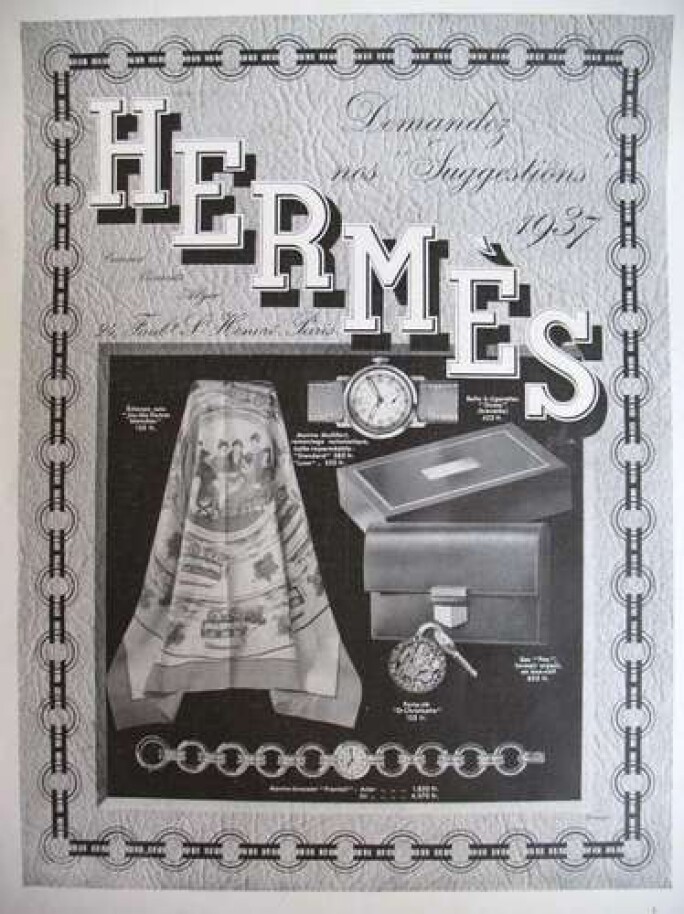
A century after its founding, in 1937, Hermès introduced a now-iconic creation that would come to define French chic: the Hermès scarf. Known as the “carré” for its classic square shape, this silk accessory marked the beginning of a new era in fashion—one where art, craftsmanship, and heritage could be worn around the neck, tied to a bag, or styled in endless creative ways.
| Feature | Overview |
| Origins | Introduced in 1937 as the Hermès carré, a silk square designed by Robert Dumas |
| Craftsmanship | Made with 450,000 meters of silk thread and can take up to 750 hours to produce |
| Design Process | Hand screen-printed with up to 46 colors and finished with hand-rolled hems |
| Artistic Heritage | Designs created by over 150 artists, blending art, culture, and fashion |
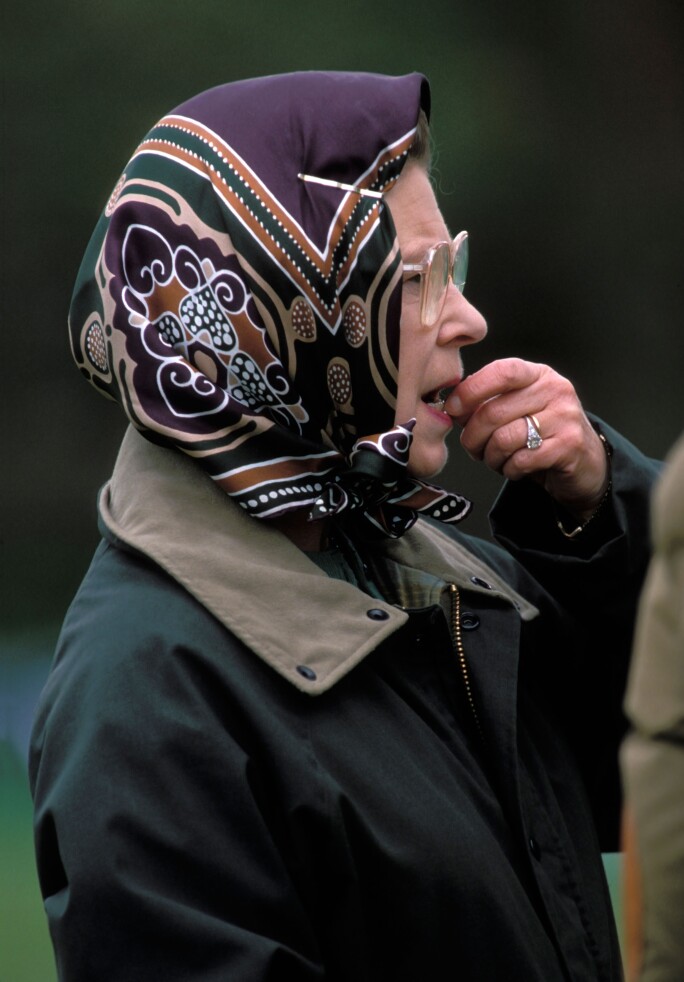
| Cultural Influence | Worn by icons like Queen Elizabeth II and Jacqueline Kennedy Onassis |
| Collector Appeal | Rare patterns, limited editions, and historic designs drive strong collector demand |
The debut Hermès carré featured a design by Robert Dumas, based on a woodblock engraving, and was printed on imported Chinese silk. With its vibrant palette and meticulous detail, it quickly captivated the Parisian elite. Unlike any other accessory at the time, the Hermès scarf was both versatile and expressive, an instant symbol of refined taste.
From its inception, the Hermès scarf reflected the values that still guide the house today: innovation, artistry, and timeless style. It became a fixture in the wardrobes of European royalty, Hollywood icons, and fashion editors, solidifying its place in the pantheon of luxury accessories.
One of the most remarkable aspects of Hermès scarves is the painstaking process behind their creation. In the early days, the brand used dense Chinese silk that was twice as strong as conventional fabric, giving each scarf not only a luxurious hand feel but unmatched durability. Princess Grace Kelly of Monaco famously used her Hermès scarf as a chic sling when she injured her arm in 1957.
Today, Hermès sources its silk from its own silkworm plantations in Brazil, ensuring the highest quality from start to finish. Each Hermès scarf contains approximately 450,000 meters of silk thread. From spinning and weaving to printing and hemming, the entire production process can take up to 750 hours.
Each scarf is screen-printed by hand using a method that layers one color at a time—up to 46 different hues for a single design. The edges are hand-rolled and stitched, typically by artisans in Lyon, France. This level of craftsmanship transforms every Hermès scarf into a collectible masterpiece.
Since that first design in 1937, Hermès scarves have featured artwork by over 150 artists from around the world. Each season, the brand invites new and returning talents to contribute original designs, resulting in an eclectic mix of themes ranging from equestrian culture and mythology to flora, fauna, and abstract geometry. Once an artist submits a concept, it’s meticulously engraved onto screens for silk-screen printing—a process that requires tremendous precision and can take hundreds of hours. This commitment ensures that every scarf not only reflects the Hermès patterns that collectors adore but also honors the tradition of fine art in textile form.
While Hermès has collaborated with artists from diverse cultural backgrounds, only one American has ever designed for the brand: Kermit Oliver, a postal worker and painter from Texas. Since the 1980s, Oliver has created numerous Hermès scarf designs that uniquely blend classical themes with American iconography. One of his most famous contributions is the “Madison Avenue” Silk Twill Scarf, issued in 2000 to commemorate the 10th anniversary of Hermès’ Madison Avenue boutique. It was so beloved it was reissued in 2010 and continues to be a sought-after design among collectors.
Over the decades, Hermès scarves have graced the wardrobes of iconic women across the globe. Queen Elizabeth II began wearing them in the 1940s, most famously during country outings and equestrian events. Her scarves often served a practical purpose—securing her hair from the wind—while maintaining her unmistakable regal style. Former First Lady Jacqueline Kennedy Onassis also favored Hermès scarves, especially during seaside holidays where a touch of Parisian flair was always welcome. Their enduring presence in the wardrobes of such influential figures cements the Hermès scarf as both a personal and public symbol of refined elegance.

With thousands of designs produced over the decades, Hermès scarf patterns have taken on lives of their own. From jungle scenes to nautical themes, each pattern offers something for different tastes and moods. Collectors often seek out specific motifs—like the classic “Brides de Gala” or the whimsical “Les Cavaliers d’Or”—based on personal style or cultural references.
Hermès continually revisits and reinterprets its iconic scarf patterns through seasonal collections, limited editions, and reissues. This commitment to both tradition and innovation is what allows the Hermès scarf to remain eternally relevant, decade after decade.
A Hermès carré is the brand’s iconic square silk scarf, first introduced in 1937. The term “carré,” meaning square in French, refers to the scarf’s signature shape, most commonly produced in the classic 90 cm format.
Hermès scarves are renowned for their exceptional craftsmanship, artistic designs, and high-quality silk. Each scarf is carefully produced through a lengthy process that includes hand screen-printing and hand-rolled edges, resulting in a wearable work of art.
Hermès collaborates with artists from around the world, many of whom are illustrators, painters, or graphic designers. Over the decades, more than 150 artists have contributed to the brand’s scarf designs.
Whether you're a seasoned collector or discovering Hermès silk for the first time, Sotheby’s offers a trusted, seamless way to buy and sell Hermès scarves on the secondary market.
Trust our worldwide network of leading handbag and fashion specialists from a globally renowned auction house established in 1744.