S
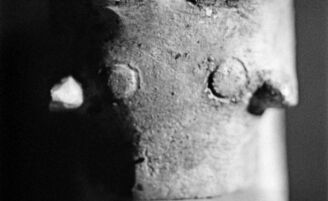
igmund Freud often likened psychoanalysis to archaeology, a fitting analogy given his own obsession with collecting antiquities. An avid collector, he frequently used ancient objects to prompt discussions with his patients, believing these artifacts could unlock deeper insights into their subconscious. Among these treasures, the ancient archaic jades from China are particularly evocative. Whether it is from a cong, a bixie, a small bi disk, an embryonic animal carving, a taotie mask, or an axe, each piece embodies rich symbolism that invites introspection and exploration.
As Giorgio Agamben insightfully notes, “The only thing we possess and can know with any certainty is the past [...] only an archaeological investigation into the past can allow us to access the present.” Take the cong, for instance, with its tubular shape and ritualistic significance; it often symbolizes the connection between heaven and earth, prompting reflections on one’s own dualities and existential questions. Similarly, the taotie mask, characterized by its fierce visage, evokes themes of protection and the primal fears that reside within us. Engaging with these jade artifacts allows individuals to confront their inner landscapes, illuminating pathways toward healing and understanding. The ritualistic nature of their use in ancient China fosters mindfulness, anchoring us in the present as we navigate our complex emotional terrains.
These ancient jades also inspire artistic expression, serving as powerful mediums through which we can process our emotions and experiences. Art becomes an avenue for self-discovery, enabling us to externalize struggles while weaving our personal narratives into the broader tapestry of human history. The act of creation engenders a profound sense of belonging, reinforcing the idea that our individual struggles resonate within a larger narrative. In a world marked by disconnection, the wisdom embodied in these jades guides us toward greater self-awareness and authenticity, revealing the intricate layers of our identities. Through engagement with these ancient artifacts, we uncover hidden truths that lie beneath the surface, drawing connections between our past and present, for “what is lost is of God.”
Nicolas Chow
Chairman, Asia
Chairman and Worldwide Head of Asian Art
弗
洛伊德以心理分析比喻考古,蓋其人素嗜蒐藏古物,此比喻更顯允當。弗氏每有患者來訪,常以古物示之,引而相論,以此為錨,深信此等遺珍愈能啟發、深掘其潛意識之幽微。諸多藏品之中,中國上古玉器,尤其耐人尋味,或為玉璧、玉琮、玉辟邪、獸面,甚或各種動物造形玉雕,每每皆滿載象徵意涵,誘邀觀者進入更深沉、奧秘之古代文化,觀復自觀。
阿岡本曾謂,「人之所可確知而據以為有者,唯其既往……,僅有尋考古之徑探究往昔,始得以通達當下。」以玉琮為例,綜觀其管狀結構與祭禮中的重要性,或象徵通天接地之意,引人深思自身內、外二重性,甚至存在主義之大哉問。同理,高古玉獸面,貌似猙獰威厲,觸及人心最原始的恐懼,進而衍伸守護、保衛之意。賞翫古玉,使人得以內觀自心,照亮通往療癒與理解之道,思索玉器在古代所承載之儀禮精髓,更能讓觀者鑑古知今,立足當下,復而從容前行。
高古玉亦激發藝術性的創造力,如同情感、經歷之強大載體,梳理人心,得以將內在外化,成為一件件流傳萬世的文物,密密織入廣博無垠的歷史長軸中。藝術創作,予人深切的歸屬感,乃自身與大時代之共鳴。現今社會疏離,高古玉所載負的智慧,引人內觀,抽絲剝繭,發掘本真。藉由觀古,進而識今,即「凡之失者,皆歸於神」。
仇國仕
蘇富比亞洲區主席
亞洲藝術部主席兼環球主管