

Masahisa Fukase
Karasu / Ravens First Edition
Sokyu-sha
1986
Complimentary Shipping
Price:
International shipping available
Customs duties and taxes may apply.
Ships from: London, United Kingdom
Taxes not included
VAT and other taxes are not reflected in the listed pricing. Read more
Authenticity guaranteed
We guarantee the authenticity of this item.
Details

Description
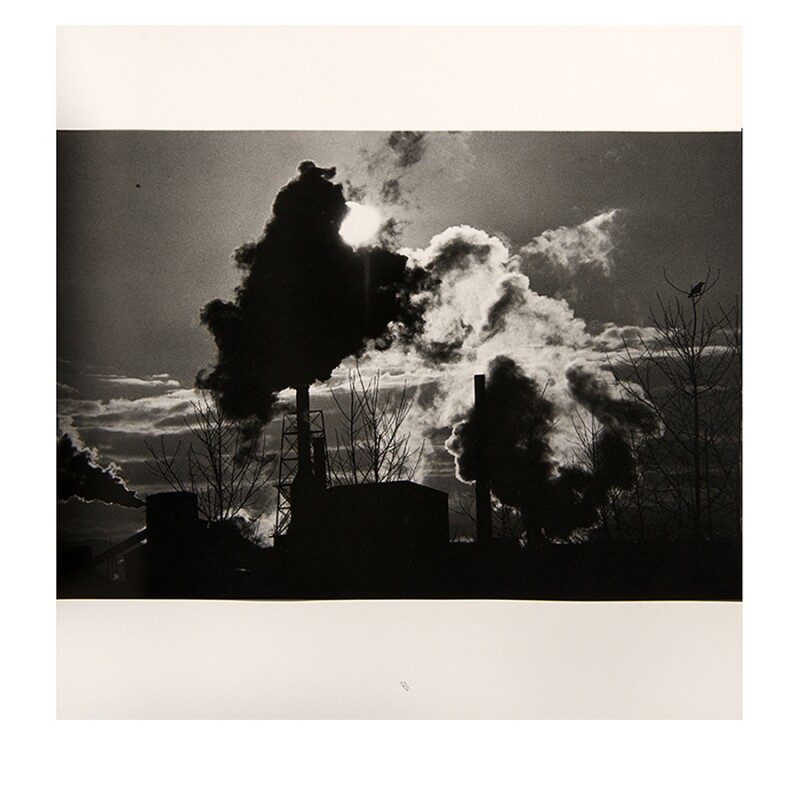
A first edition of Masahisa Fukase's Karasu / Ravens, a cornerstone in the history of Japanese post-war photography.
- Masahisa Fukase (Japanese).
- Edited and with an essay by Akira Hasegawa in Japanese and English.
- Design by Kazuyuki Goto.
- Tokyo: Sokyu-sha, 1986.
- Quarto.
- 132 pages.
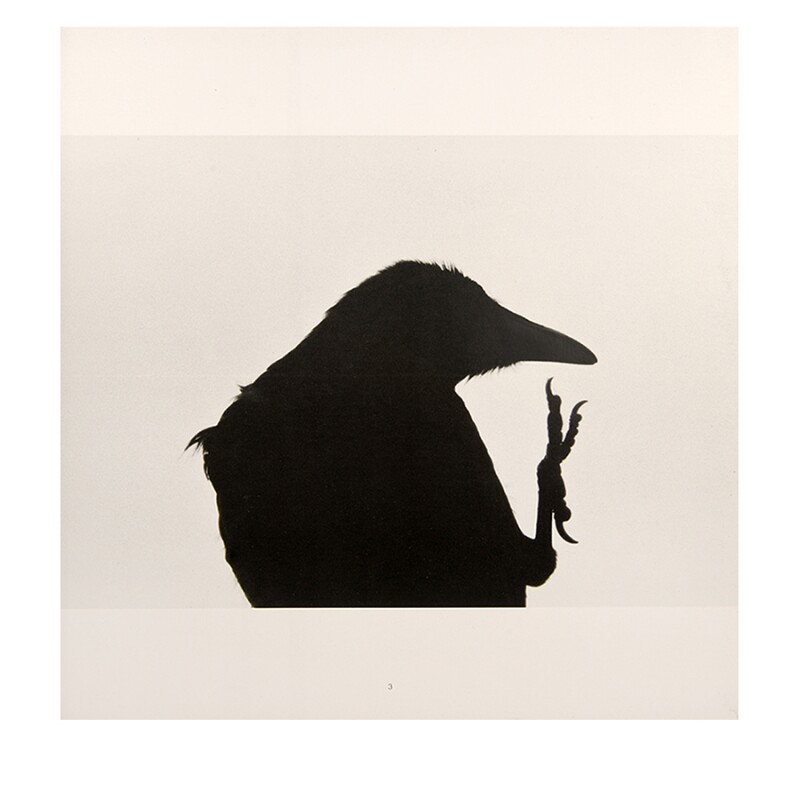
- Black and white photographs.
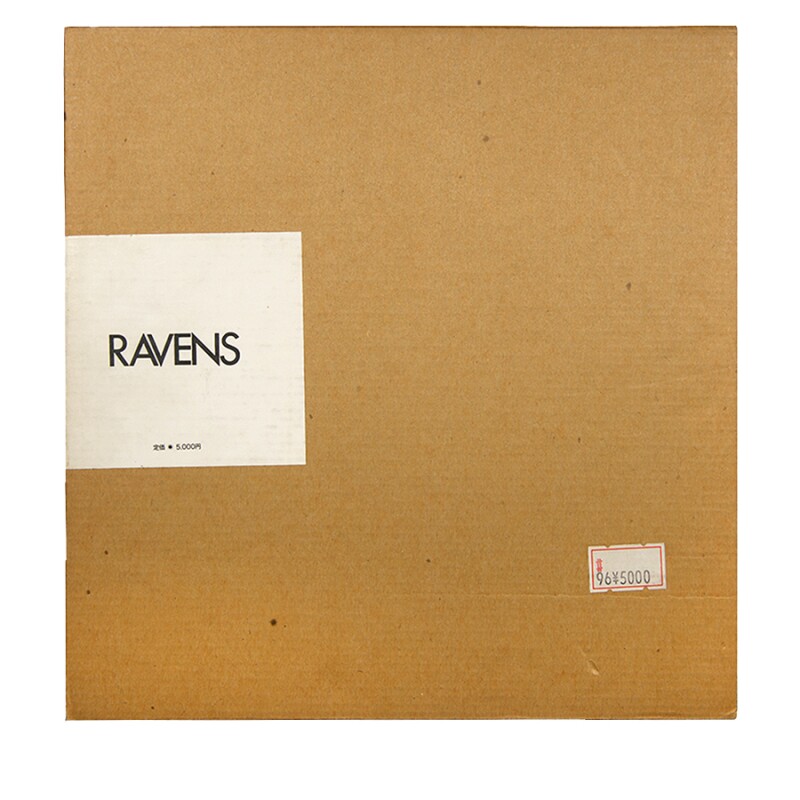
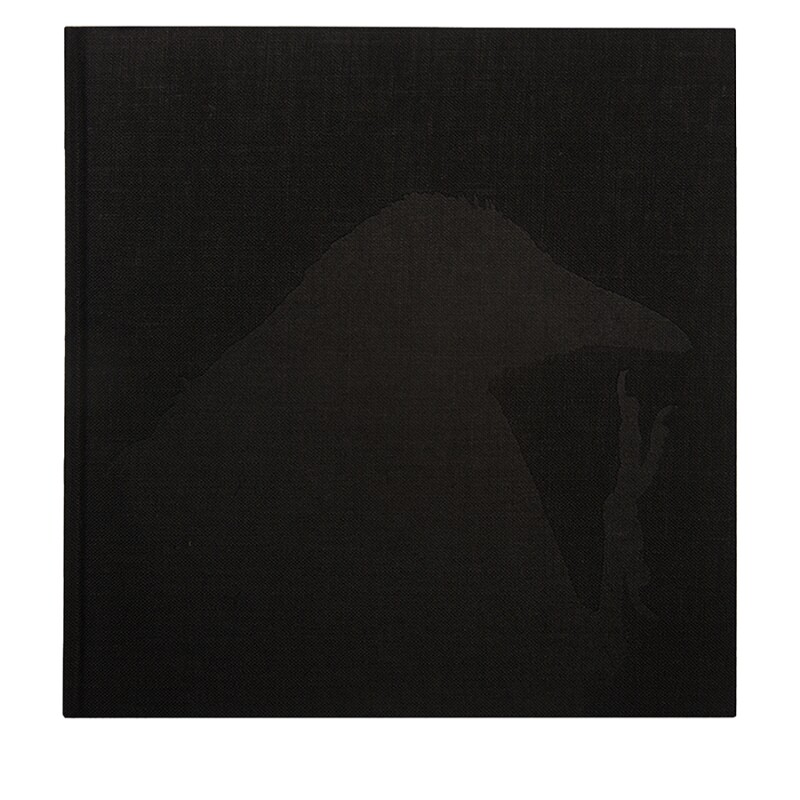
- Black endpapers, black cloth-covered boards with an image of a raven stamped to the sides in blind, publisher's card slipcase with printed label wrapping around spine on to sides.
Karasu / Ravens is Fukase’s masterpiece, a cornerstone in the history of Japanese post-war photography.
Masahisa Fukase (1934-2012) was born in Bifuka in Nakagawa District, Hokkaido, where his grandfather owned and operated a photographic studio. As a child and adolescent, Fukase assisted his father, who had inherited the family business. At the age of 18, he left Bifuka to study photography at Nihon University in Tokyo, graduating in 1956. His parents had expected that after completing his studies, he would return to Hokkaido to take over the family business. Instead, Fukase took a job with a commercial advertising agency in Tokyo so that he could be with his partner Yukiyo Kawakami, who later became his first wife. Their marriage ended in 1962, and the following year, he met Yohko Wanibe, whom he married in 1964 and who became the subject of much of his work over the next decade.
In 1971, Fukase began to make regular trips back to Hokkaido to visit his family. In 1975, with his marriage to Yohko under increasing strain, Fukase made the journey from Tokyo to Hokkaido by train, finding himself drawn to the flocks of ravens which he saw and photographed through the train window. He and Yohko divorced the following year, and Fukase spent much of the following decade working on this series in Hokkaido, Kanazawa, and Tokyo. Popular superstitions in Japan associate ravens with misfortune, and Kurasu | Ravens has been read as much as an allegory for the post-war collected Japanese psyche as for its representation of Fukase’s mental state, foreshadowing the further deterioration in Fukase’s personal life.
In the years following the completion of the project, Fukase suffered a decline in both his physical and mental well-being. In 1991, he fell down a flight of stairs in his favourite Shinjuku bar and suffered severe brain damage, which left him with impaired speech and memory function. Unable to live independently, he was placed in a care home, where he died in 2012, almost certainly unaware of the vital contribution he had made to the history of photography.
Condition Report
 Very Good
Occasional offsetting.
Lightly rubbed.
Original price sticker, without glassine.
Minor signs of age and handling.
Product is used.
Dimensions
Feature(s)
Language
Subject
Conditions of Business
Please note that the cancellation right for EU/UK purchasers applies to this item. Please read Condition 19 of the Buy Now Marketplace Conditions of Business for buyers for more information. Read more here.