Property of a lady 女史收藏
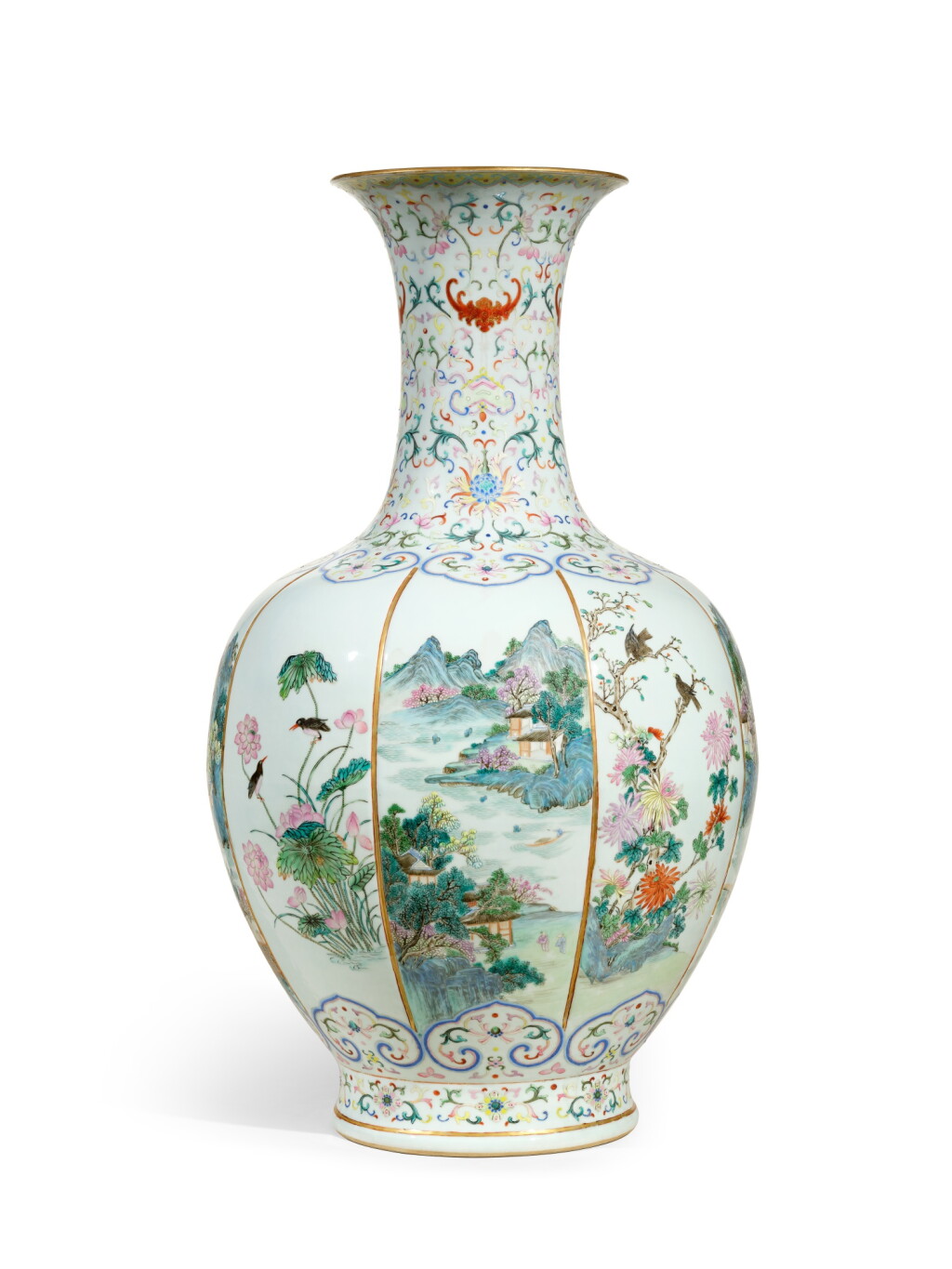
A rare large famille-rose baluster vase, Qing dynasty, late Qianlong period| 清乾隆晚期 粉彩八棱開光山水花卉圖大瓶
Auction Closed
May 5, 01:09 PM GMT
Estimate
1,800,000 - 2,800,000 HKD
Lot Details
Description
72 cm
Christie's London, 15th June 1998, lot 132.
Christie's New York, 21st March 2002, lot 246.
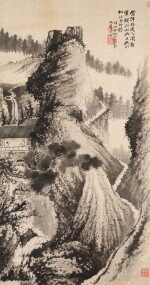
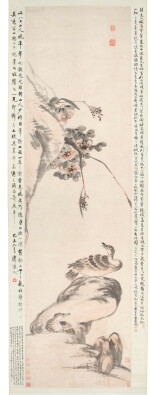
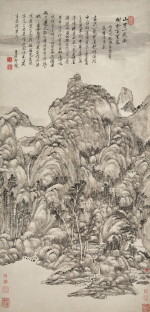
The vase features a flared mouth, a long neck, and an eight-lobed melon-ribbed body. It is covered overall in white glaze, with a continuous lotus scroll pattern extending from the neck to the shoulders. The four sides are adorned with bats holding chime stones, symbolizing the auspicious wish for "boundless blessings and prosperity." Below the ruyi-patterned shoulders, eight reserved panels alternate between seasonal floral and bird motifs and landscape paintings. The painting is exquisitely executed, rich in auspicious symbolism, blending opulence with scholarly elegance to present a visual feast of a flourishing and prosperous era.
In Qianlong famille-rose porcelain, floral and bird motifs are imbued with meaning, with each design carrying auspicious connotations, transforming the natural world of flowers and birds into a resplendent system of courtly symbolism. Alongside landscape themes, these two genres represent the dual extremes of Qianlong court aesthetics: the former epitomizing ultimate opulence and auspiciousness, while the latter reflects the fusion of literati sensibilities and imperial grandeur. Together, these themes constitute the intricate, elaborate, and comprehensive artistic style of Qianlong famille-rose porcelain, marking one of the most splendid chapters in the history of ancient Chinese ceramics.
Examining surviving large-scale Qianlong famille-rose porcelain, it is notable that many pieces are unmarked. This is primarily because they served as monumental display objects in important palace halls, where function and artistry took precedence over formal conventions. It reflects the prioritization of visual impact over institutionalized markings in Qianlong court porcelain production. Additionally, the thick, heavy bodies of these large vessels made it extremely difficult to inscribe or write reign marks on the base after firing. The risk of glaze cracking or mark blurring due to varying shrinkage rates during the firing process also posed a challenge. To ensure perfection, the imperial workshops often opted to leave the pieces unmarked, mitigating such risks.
Such works are cherished not only for their exquisite craftsmanship but also because they represent the aesthetic orientation of court art during the Qianlong period, which pursued a style characterized by intricate refinement and opulent splendor. Simultaneously, they integrated various art forms such as poetry, calligraphy, and painting, making them masterful examples of court decorative art.
來源
倫敦佳士得1998年6月15日,編號132
紐約佳士得 2002年3月21日,編號246
瓶撇口,長頸,八瓣瓜棱形腹。通體施白釉,頸至肩部通頸蓮紋,四面飾蝙蝠銜罄,寓福慶有餘之意。如意肩下八個開光,以四季花鳥與山水畫相間。畫工精湛,寓意吉祥,富貴中不失文人的雅氣,展示了一場盛世繁華的視覺盛宴 。
乾隆粉彩花鳥紋飾圖必有意,意必吉祥,它將自然界的花鳥轉化為一套華麗的宮廷符號系統,與山水題材,分別代表了乾隆朝宮廷審美的兩個極端:前者是極致的富貴與吉祥,後者是文人意趣與帝國江山的融合。這兩類題材共同構成了乾隆粉彩精細繁縟、集大成的藝術風格,成為中國古代陶瓷史上最為華麗的篇章。
看傳世乾隆大型粉彩瓷器多不落款,它多為宮廷重要殿堂的落地陳設器,是功能大於形式、藝術大於制度的體現。它反映了乾隆朝宮廷瓷器製作中,陳設器的視覺衝擊力優先於制度化的標記。另外原因是大型器物胎體厚重,燒成後在底部刻寫或書寫款識難度極大,且容易在燒製過程中因收縮率不同導致釉面開裂或款識模糊。宮廷造辦處為確保器物完美,常選擇不落款以規避風險。
這類作品之所以珍貴,不僅因其工藝精湛,更因它們代表了乾隆時期宮廷藝術的審美取向,追求繁複精巧、富麗堂皇的風格,同時融合詩、書、畫等多種藝術形式,成為集大成的宮廷陳設珍品。