


Hermès
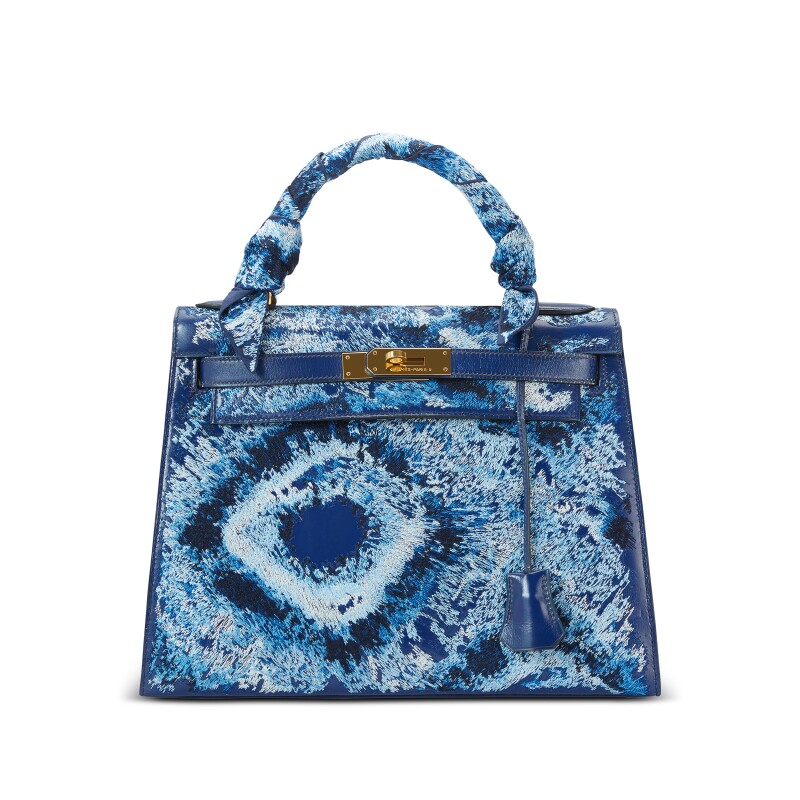
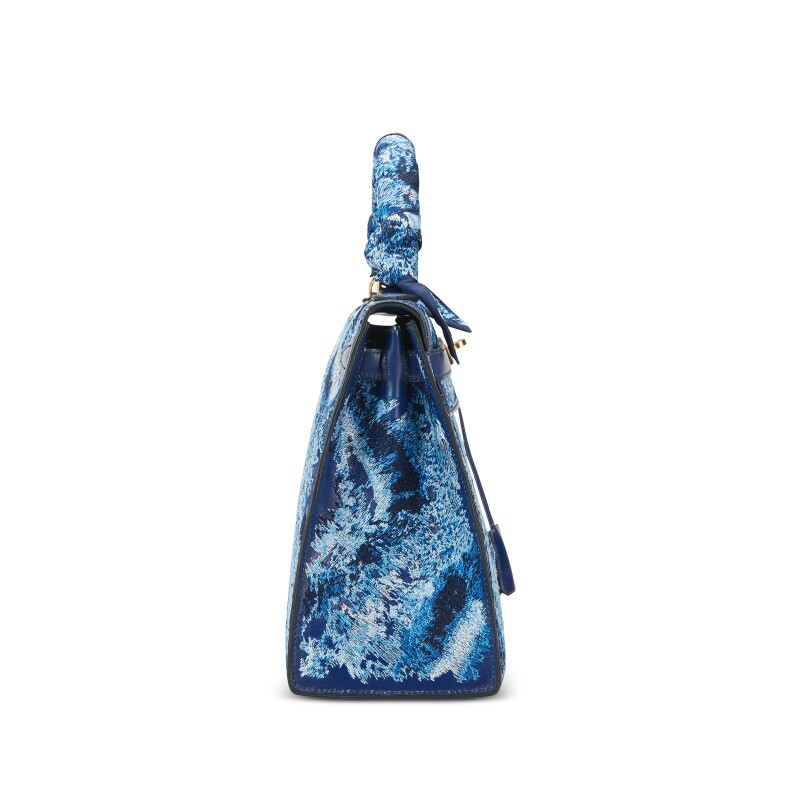
Kelly 28 Sellier – Bleu Encre - « Tie Dye » Yarn Embroidery by Jay Ahr
Price upon request
Taxes not included
VAT and other taxes are not reflected in the listed pricing. Read more
Authenticity guaranteed
We guarantee the authenticity of this item.
Details

Description
"Tie Dye"
Hermès Kelly 28 Sellier – Bleu Encre
Yarn Embroidery by Jay Ahr
Model: Kelly Sellier
Size: 28cm
Condition: Pristine
Provenance: Tokyo, Japan
Composition: Yarn embroidery & Box Calf leather
Hardware: Gold plated
Other: Detachable clochette with two
encased keys and padlock
Bespoke Silk Twilly
Tie dye culture made its debut in America in the swinging sixties as a symbol of non-violence, sported by hippies protesting the Vietnam war. It was a tribal statement. If you wore tie dye you stood for something. Jay Ahr runs with this sentiment with the vibrant colours and psychedelic designs of the tie dye collection expertly executed in embroidery. This bag is a vintage Hermès Kelly 28 in Bleu Encre, Box Calf leather. Featuring round top handles and a foldover top with twist-lock closure. Detailed with gold plated hardware it comes with a detachable clochette with two encased keys and a padlock. The smooth Box Calf leather gives a glossy finish yet firm hold creating the structural lines synonymous with the Sellier. The Tie Dye collection is paired with Jay Ahr’s tongue-in-cheek twist on the Hermès Twilly, in a matching tie dye pattern.
With textile findings dating back as far as 4000BCE, Tie Dye is a craft with a tale as old as time. This resistance dye method has roots in many cultures: zha ran in China, shibori in Japan, bandhani in India or tritik in Indoneia. These techniques have many similarities, but varies in size and placement of the patterns. Over the decades, the popularity of tie dye has often risen when economic times are dire. During the Great Depression, the American government distributed materials to inspire citizens to create new home textiles using sugar and coffee sacks for tie dye with natural dyes from red cabbage, blueberries and marigold. However the most reponsible for the spread of tie dye are the hippies during the 1960s. The electric swirls will forever stand as a symbol of peace, love and hope.
Condition Report
 Very Good
Year
Dimensions