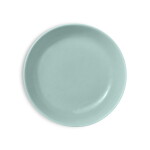
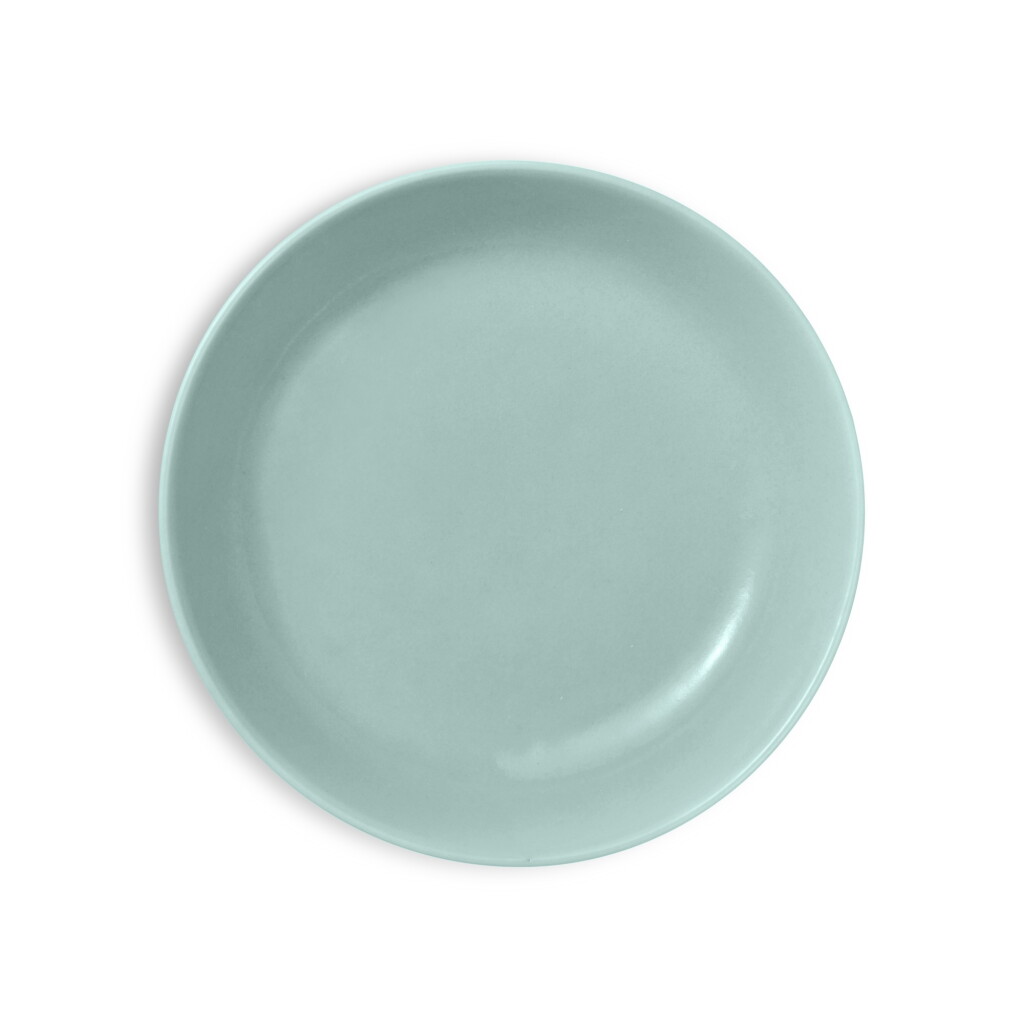
A fine Ru-type washer, Seal mark and period of Qianlong | 清乾隆 仿汝釉洗 《大清乾隆年製》款
Auction Closed
March 21, 02:11 PM GMT
Estimate
50,000 - 70,000 USD
Lot Details
Description
A fine Ru-type washer
Seal mark and period of Qianlong
清乾隆 仿汝釉洗 《大清乾隆年製》款
the base with a six-character seal mark in underglaze blue
Diameter 5¾ in., 14.6 cm
Sotheby's Hong Kong, 29th November 1979, lot 296.
Sotheby's Hong Kong, 20th May 1987, lot 492.
Marchant, London, 15th December 1987.
J.J. Lally & Co., New York, 1988.
香港蘇富比1979年11月29日,編號296
香港蘇富比1987年5月20日,編號492
馬錢特,倫敦,1987年12月15日
藍理捷,紐約,1988年
With its luminous blue glaze, elegantly proportioned shape and brown-dressed foot rim, the present washer is a classic example of Ru-imitation wares produced during the Qing dynasty under the exacting eye of the emperors. It represents the immense effort taken by the craftsmen in Jingdezhen to recreate the revered qualities of Northern Song dynasty (960-1127) Ru ware—the most celebrated ware in China's history.
By the Qing dynasty, Ru wares were already so extremely rare that the Yongzheng Emperor (r. 1723-35) sent originals of various surviving examples from the palace in Beijing to the Jingdezhen kilns to have them carefully studied and copied. In a list of different porcelains ordered for the Emperor, preserved in Jiangxi tongzhi [Annals of Jiangxi] of 1732, two types of Ru ware are recorded to be copied at Jingdezhen from Song originals: 'Uncrackled Ru glaze with copper-colored paste, copied from the color of the glaze of two pieces of the Song dynasty', and 'Ru glaze with fish-roe crackle of copper-colored paste, copied from the colors of the glaze of a piece of the Song dynasty sent from the imperial palace' (Stephen W. Bushell, Oriental Ceramic Art: Illustrated by Examples from the Collection of W.T. Walters, New York, 1896, pl. 194f). These original Song Ru wares inspired a whole range of Ru-type vessels with luminous bluish-green glaze.
Building on the high caliber of skill achieved under the direction of the Yongzheng Emperor, the Qianlong Emperor (r. 1735-95) also continued to commission Ru-imitation wares during his reign. He furthermore contributed to the fame of the ware by composing poems on Ru and having them engraved on pieces from the Imperial storerooms—at least twenty extant Ru pieces bear his inscriptions, although he did not always correctly identify them.
Compare one closely related washer in the Nanjing Museum, Nanjing, published in Treasures in the Royalty: The Official Kiln Porcelain of the Chinese Qing Dynasty, Shanghai, 2003, pl. 327; and one sold in our Hong Kong rooms, 16th May 1977, lot 187. See one of a slightly different form with an everted rim, in the Museum of East Asian Art, Bath (accession no. BATEA:219).
For Northern Song Ru prototypes of the present washer, see two in the National Palace Museum, Taipei, (accession nos 故瓷009827N000000000 and 故瓷018182N000000000); and one formerly in the collection of the Chang Foundation, Taipei, later entering the Le Cong Tang Collection, sold in our Hong Kong rooms, 3rd October 2017, lot 5.
You May Also Like